


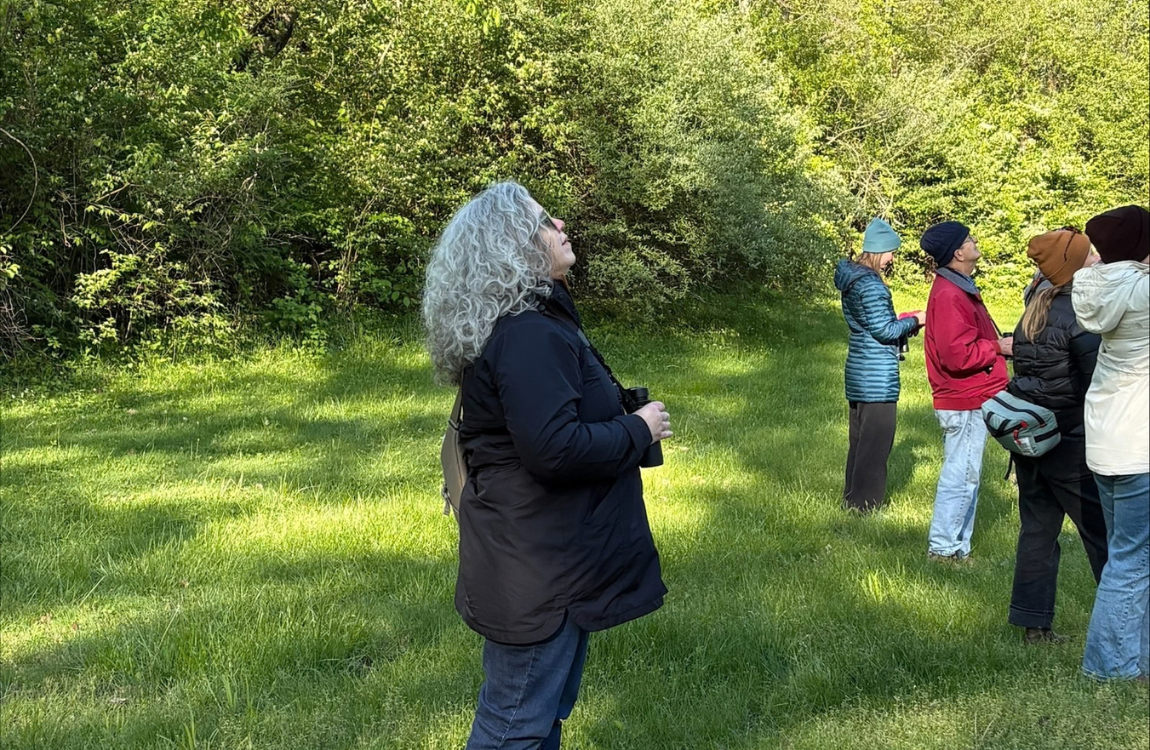
By Angela N., Collection Development Librarian
The first time I heard a Wood Thrush, I freaked out. I hadn’t heard a sound so lovely as its fri-o-lay song. I had to find out what kind of bird it was, and I had to see it in the wild with my own eyes. I’d loved watching birds before, but this raised the stakes. I was on a mission to be a birdwatcher for real now. Fast forward 10 years, and I’m identifying and listing birds several times a week on the eBird app, and I just completed the class to become a certified Master Birder earlier this spring. I still have a lot to learn, but it’s been a blast thus far.
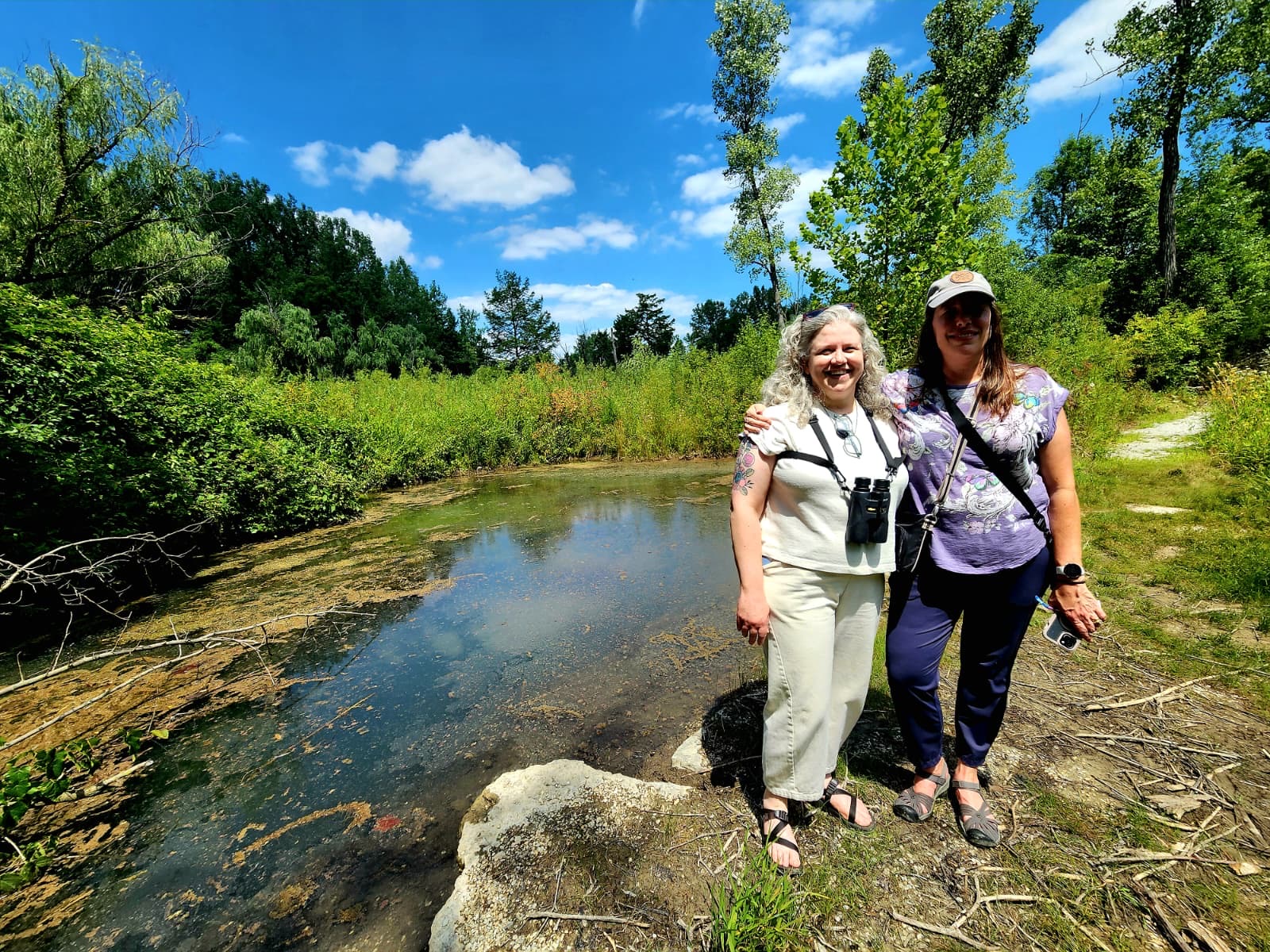
Angela with a friend out birding
Do you know that watching and listening to birds is good for your health? Over 47 million birders in the United States surely understand. If you want to learn more about birdwatching and up your game, you’ve perched on the right blog post.
Birdwatching, or birding, is the activity of observing and identifying wild birds in their habitat. Ornithology is the scientific study of birds, a word derived from the Greek word ornis, meaning bird. Ornithological techniques can include collecting eggs and taxidermy, field studies like banding and tracking, as well as observing behavior, intelligence, and migration patterns. Luckily, you don’t have to be an ornithologist to help with the study of birds! Researchers and even citizen scientists support ornithology just by watching and tracking birds. I’ve rounded up some resources and tips to help you on your birdwatching journey.
How to Start Birding
I can get caught up in chasing a new bird for my life list or memorizing every feature to identify a bird, but ultimately, if you go outside anywhere and look at birds—congratulations, you are a birder! Learning to identify them is a lifelong skill to strengthen. Knowing where to observe birds in their habitat, having the right gear, and joining others are great ways to birdwatch.
- Gear Up! For spotting birds far afield, binoculars are recommended, with additional support from a spotting scope or camera to help identify field markings.

 Get the apps! Familiarize yourself with the eBird app and Merlin ID app to identify and track birds.
- Hit the field and join the club!
- Green spaces and water sources are excellent spots to birdwatch.
- Research hot spots on eBird.org
 Check out the Indiana Birding Trail
- Join a local Audubon group and go to an organized bird walk (see resources below)
- HEPL’s Fall Migration Bird Walk – join the waitlist here
- Kids and their families can join the Kids’ Birding Club @HEPL
Factors in Identifying Birds
When trying to ID a bird, don’t make color the default indicator; take note of other distinctive features, like the bird’s size and shape. Learn to tell a bird from 2 or 3 field markings, as well as its habitat and behaviors.
Size and shape
Studying relative size differences can help identify birds. Comparison photos of similar species are featured online and in field guides. Looking at silhouettes while perching or in flight can support your ID skills as well. Learning to identify a bird beyond its color can help you understand how field markings help support proper identification. Does the bird have an eye ring and/or white on the wing bars? What is the tail shape or wing pattern?
Habitat and location
Habitats are defined by their primary plant type – forest, grassland, wetland, desert, arctic, freshwater, marine habitat, urban, and even edges of other habitats. Edges can be excellent places for birds.
Birds are very choosy about where they live, eat, and nest. For example, warblers traveling through during migration love eating bugs high up in the treetops; these warblers are great to spot on the edges of forests where the sunlight hits the tops of the trees. Light = more insects!
Know what should be in your location/area and birdwatch by probability. For instance, if you see a chickadee in Hamilton County, Indiana, you can count on it being a Carolina Chickadee. The Black-capped Chickadee lives only in northern parts of the US.
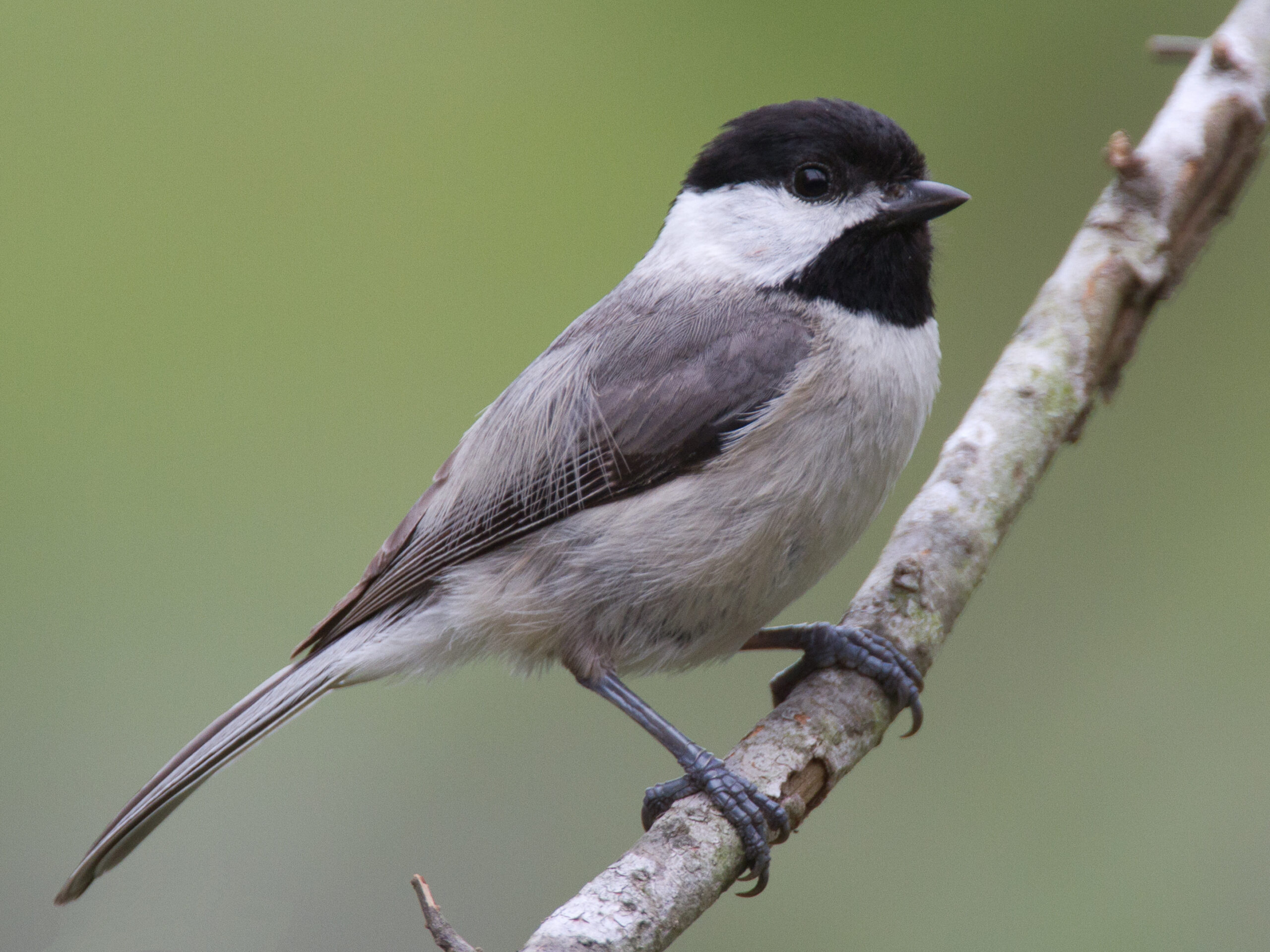
Carolina Chickadee
Know what species to expect, but don’t let it keep you missing rare birds as well!
Look at species’ summer breeding sites and winter ranges on maps. For example, the Bufflehead winters here in Indiana, but don’t expect to find it during summertime.
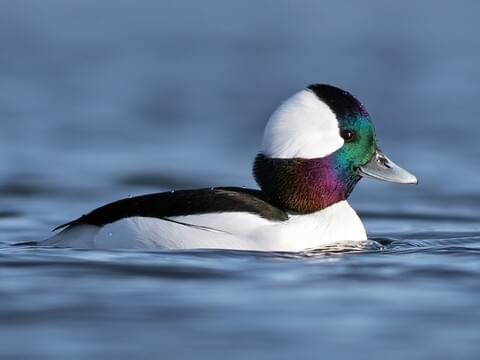
Bufflehead
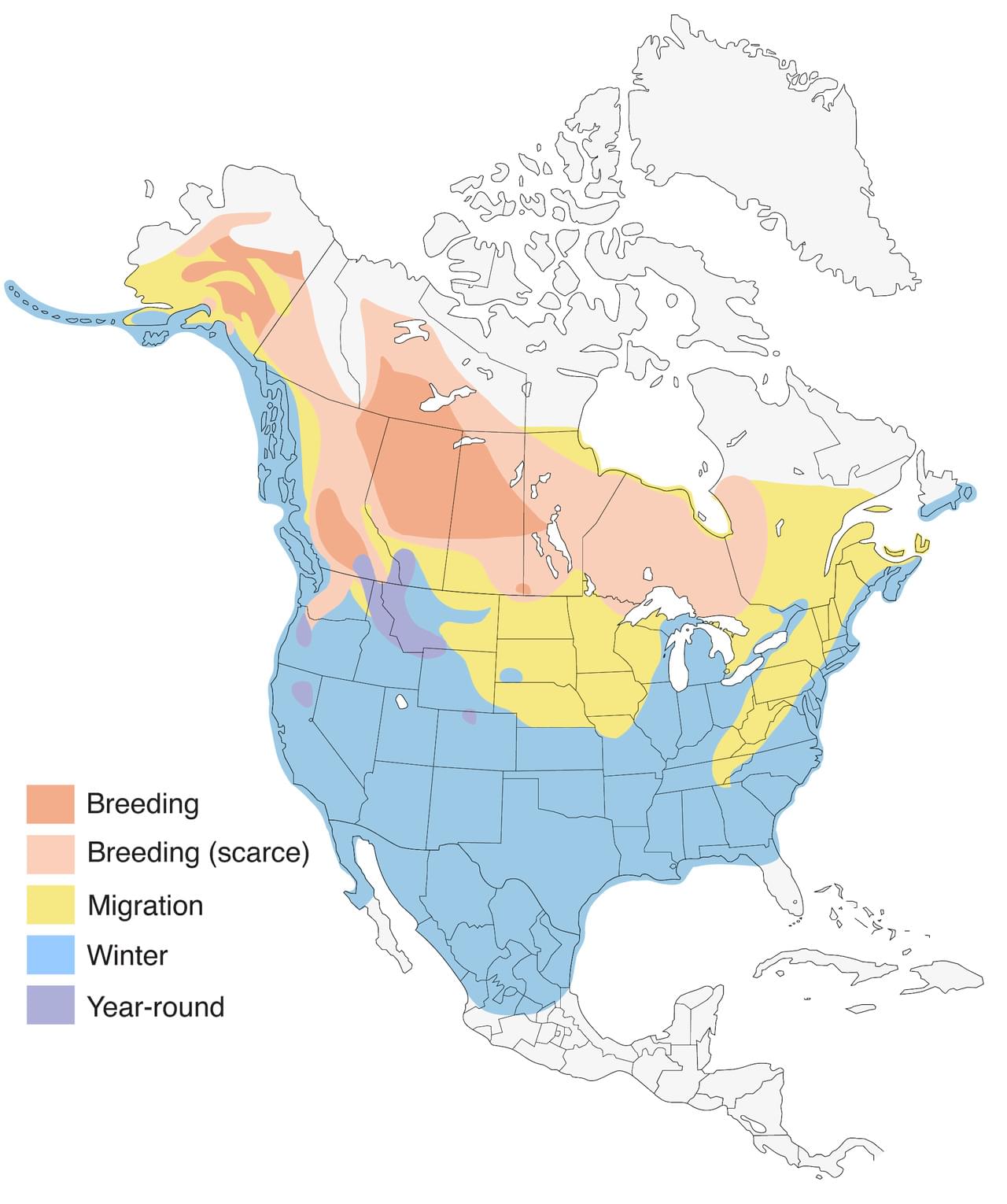
Bufflehead Range Map
Migration in fall and spring can bring lots of species you usually don’t find here. This is why these times are very exciting for birders to spot unusual shorebirds or pretty warblers!
Behavior
What is the posture of the bird? Is it clinging to the side of a trunk and probing the bark for something to eat? It may be a woodpecker! Is that duck diving into the water, or is it just on the surface?
Bird movements, flight patterns, flocking, foraging, courtship, and nesting habits all indicate certain species. Reading about bird behavior can help you make a positive bird identification.
Voice
Identify birds without even seeing them! Advanced birders and field scientists often birdwatch by hearing the bird first. This Cornell Lab page has videos of songs to test your skills and learn mnemonics. The mnemonics are the sounds of bird songs. For example, a Red-winged Blackbird call sounds like conk-la-ree. An Eastern Towhee sounds like drink your teaaaaa.
Resources
- The eBird app – a lister is someone who tracks their bird observations on the eBird app or the website. If you start using the eBird app, you are now a citizen scientist and helping the study of birds! Twitchers are folks who follow rare bird alerts, traveling near and far to get that rarity.
- The Merlin ID app – Merlin ID is an amazing app that listens to birdsong and makes identification suggestions based on its spectrometer. Not only does the app listen in real time, but one can also have the Merlin ID app identify an uploaded bird photo or sound.
- All About Birds website – Cornell Lab
- Bird Together – Strengthen your skills and learn from other experts; join an Audubon group or the Bird Alliance of Central Indiana and attend local bird walks and other activities. Joining the Indiana Birdwatching Facebook group or the Indiana Birding Discord can help you with bird identification or support with birding habitat and local weather patterns.
Field Guides
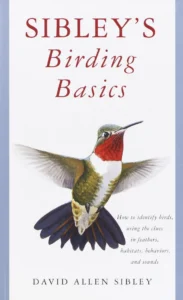
Sibley’s Birding Basics by David Sibley
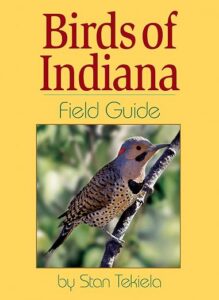
Birds of Indiana Field Guide by Stan Tekiela

The Sibley Field Guide to Birds of Eastern North America by David Sibley (on order)