


By Tori R., Collection Development Librarian
Growing up, my mother told me that her mother’s mother’s side of the family was distantly Italian. There was ample evidence to support this claim. My Roman Catholic great-grandmother (still alive and kicking!) is a stereotypical Italian matriarch, and my grandmother has plenty of stories about her hot temper and stubbornness. We all talk with big gestures when we’re worked up, we’re fiercely loyal to our families, and our collective love language is food. Like many Italian-Americans, we cook with tons of garlic and tomatoes, and we use lots of spices even when our “regular” Midwestern neighbors stick to salt and pepper.
So, imagine my shock when, in 2020, I took an Ancestry DNA test that came back 0% Italian. (Before anyone jumps to switched-at-birth, I matched with several family members on both sides. Whew.)
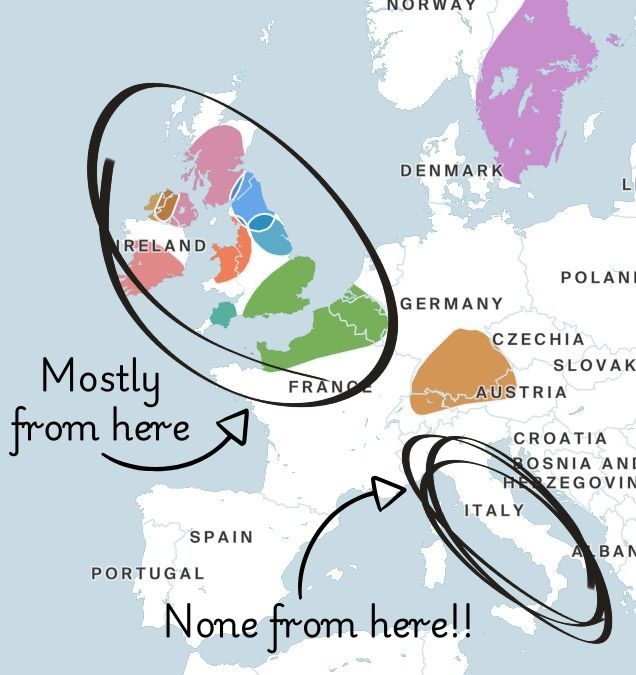
When I told my mother, she told me that I “must have inherited the non-Italian half of her DNA.” I’m no geneticist, but I was pretty sure it doesn’t work that way. But have you tried to argue with an Italian mother, real or otherwise? It was better for my health to drop the matter.
In 2024, my mother and grandmother did their own 23andMe DNA test. Once again, no Italian! The confirmation of my own results shook my mother to her core. She had attributed a myriad of personal quirks – again, stubbornness, loyalty, temper, love of food – to her Italian genes. What were we now? A bunch of pasta-loving English folk? The horror.
It turns out, though, that DNA doesn’t make a big difference to how the women in my family identify with each other and with food. We still cook with a strong Italian influence, we still overfill the plates of people we love, and we still gather around to break bread and talk in big, loud voices with over-the-top gestures
Women’s History Month
Much like in my family, food traditions are often handed down from mother-to-daughter. Even outside of families, women have learned from women. Teachers like Fannie Farmer, Julia Child, and Irma Rombauer have taught a legion of women how to feed their loved ones by bringing culinary science down to the everyperson’s level.
This Women’s History Month, I would like to pay tribute to the women who build a culinary inheritance through shared knowledge, guidance, and love. Women learn a great deal in the kitchen – not just about food, but about culture, relationships, and themselves. The kitchen is a focal point of how women keep their histories alive.
- Beenish Ahmad watches her immigrant mother keep their family’s homeland alive and close in their kitchen. She shares her own complicated feelings about this legacy with NPR’s Code Switch in “A Mother’s Beloved Cooking, A Daughter’s Bittersweet Inheritance.”
- Silvia Salas-Sanchez, creator of Abuela’s Kitchen on YouTube and social media, keeps her grandmother’s memory alive by sharing her recipes.
- Alice Randall and her daughter, Caroline Randall Williams, share a four-generation-old cookbook collection of over 5000 volumes and maintain a strong bond through the cultural traditions of cooking and food.
- The Story Exchange, a nonprofit centered around women’s stories and entrepreneurship, has a lovely YouTube series about the women’s culinary inheritance. The series, Seasoned: The Women Who Defined American Food, is a mini-series filled with tasty morsels of history.
For Further Reading (and Eating!)
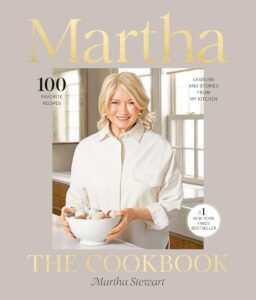
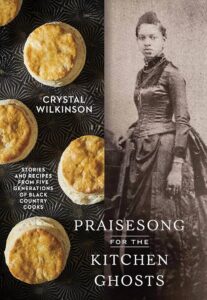
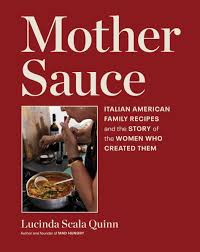
If you want to learn from some of the best, try out some of these titles. I’ve split the list into The Famous Teachers (Martha, Julia, and more) and the Generational Wisdom (the recipes-handed-down-to-me cookbooks).
The Famous Teachers
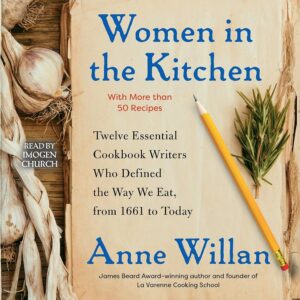
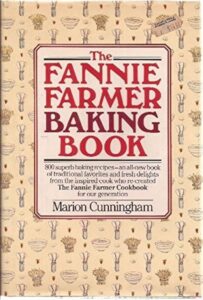
The Fannie Farmer baking book by Marion Cunningham ; illustrated by Lauren Jarrett
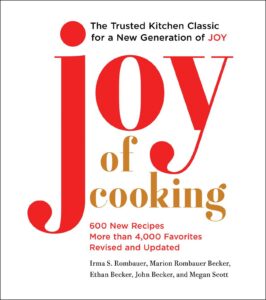

The French chef cookbook by Julia Child ; drawings and photographs by Paul Child
The Generational Wisdom
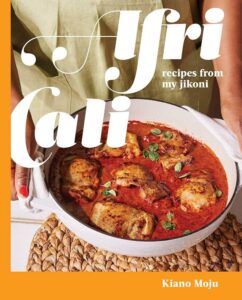
Africali : recipes from my jikoni by Kiano Moju ; photography by Kristin Tieg
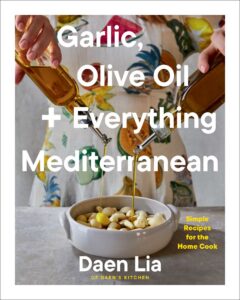
Garlic, olive oil + everything Mediterranean by Daen Lia ; photography by Armelle Habib
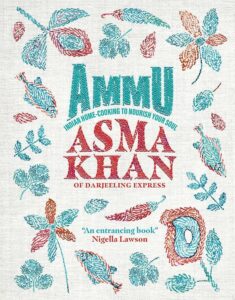
Ammu : Indian home-cooking to nourish your soul by Asma Khan of Darjeeling Express

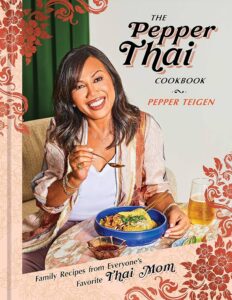
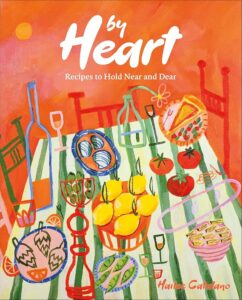
By heart : recipes to hold near and dear by Hailee Catalano


Chinese enough : homestyle recipes for noodles, dumplings, stir-fries, and more by Kristina Cho
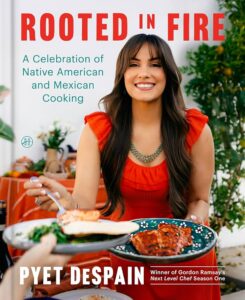
Rooted in fire : a celebration of Native American and Mexican cooking by Pyet DeSpain